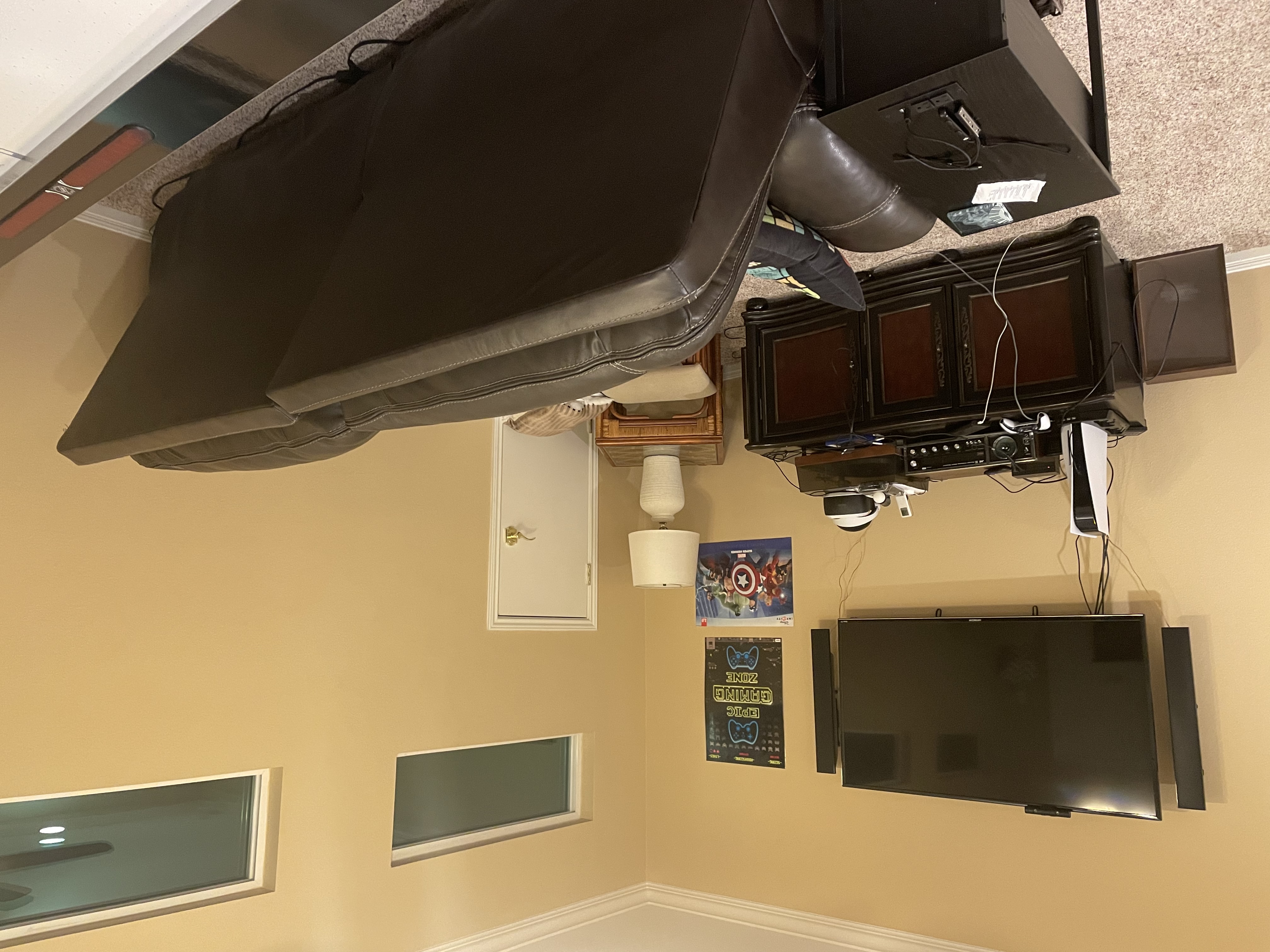
Image source: Openverse / VPaleontologist. Used under open/public license or official source terms.
Discover the Magic of Game Design: An Insider's Guide to Crafting Engaging Game Experiences
Outline-
I. Introduction
II. Game Design Process
III. Key Elements of Game Design
IV. Tools Used
V. Career Opportunities
VI. Conclusion
I. Introduction
Enter a world of imagination and creativity, where you have the power to craft experiences that capture the hearts and minds of millions. Welcome to the exciting world of game design!
From the earliest arcade games to the latest virtual reality sensations, the gaming industry has come a long way. And behind every great game is a team of talented game designers who pour their passion and skills into creating immersive and captivating experiences.
II. Game Design Process
Pre-Production: In the pre-production stage, game designers lay the foundation for their project by developing the concept, storyboarding the ideas, and creating prototypes to test the gameplay mechanics.
Production: During the production stage, game designers turn their ideas into reality by creating the mechanics, designing levels, developing characters, and crafting the audio and visual elements of the game.
Post-Production: After the game is developed, it enters the post-production phase where designers test, debug, balance, and fine-tune the game to ensure it meets their standards. This stage also includes the release and distribution of the game to the public.
It's important to note that game design is a collaborative process that involves many different people with different skills and perspectives. Game designers work closely with programmers, artists, musicians, and other members of the development team to bring their vision to life. The game design process is iterative, meaning that designers may make changes and revisions throughout the process to ensure the best possible outcome.
III. Key Elements of Game Design
Here are the key elements of game design:
Mechanics: The gameplay mechanics are the underlying rules and systems that govern how the game is played. This includes things like movement, combat, puzzles, and progression. Designers must carefully balance these mechanics to create a challenging and engaging experience for players.
Aesthetics: The visual and audio design of a game is critical to creating an immersive and captivating experience. Game designers work with artists and musicians to create the look and sound of the game, from the character designs to the backgrounds and special effects.
Narrative: Many games also have a storyline or narrative that ties the gameplay together. Game designers work with writers to develop characters, create dialogue, and craft the story. The narrative is an important part of the game design process, as it can affect the player's emotional connection to the game and provide context for the gameplay.
In addition to these three key elements, game designers must also consider the player experience and how to engage the player in the game world. They must strike a balance between challenge and accessibility, making sure the game is both fun and rewarding to play. The key elements of game design are intertwined and must be carefully considered and executed to create a successful game.
IV. Tools Used
Software: Game designers use a variety of software tools to bring their ideas to life. This includes game engines, such as Unity and Unreal Engine, which provide the underlying technology for creating games. Designers also use tools for 2D and 3D art, such as Adobe Photoshop and 3D modeling software like Autodesk Maya.
Hardware: Game designers also use hardware to create and test their games. This includes computer systems with powerful graphics cards and processors, as well as specialized gaming hardware like virtual reality headsets and motion controllers. Some designers may also use drawing tablets and other specialized hardware for creating game art.
It's important for game designers to stay current with the latest technology and tools, as the gaming industry is constantly evolving and new tools are being developed. Designers must also be familiar with programming languages and software development best practices to effectively create and test their games.
V. Career Opportunities
Job Titles: Game designers may work in a variety of roles, including game designer, level designer, character designer, systems designer, and narrative designer, among others. Some designers may also specialize in areas such as audio design or user experience (UX) design.
Education and Training: Game designers typically have a background in game design, computer science, or a related field. Some designers also have a degree in fine arts or graphic design, while others may have a background in programming or software development.
Game design programs are offered at many colleges and universities, and many designers also acquire skills and experience through internships or hands-on experience in the industry. Salary Expectations: The salary for game designers can vary widely depending on their experience and the type of role they are in.
According to data from the US Bureau of Labor Statistics, the median salary for software developers, a category that includes game designers, was $105,590 in May 2019. However, experienced designers in lead or management positions can earn significantly more.
The game design industry is growing and offers many opportunities for creative and talented individuals. Designers who are passionate about gaming and have a strong skillset in areas such as design, programming, and storytelling can find many exciting career opportunities in this field.
VI. Conclusion
In conclusion, game design is a complex and multi-disciplinary field that involves many different skills and perspectives. Game designers are responsible for creating the mechanics, aesthetics, and narrative of a game, and must work closely with a team of artists, programmers, and other specialists to bring their vision to life. The game design process involves a number of stages, from pre-production to post-production, and designers must constantly refine and iterate their ideas to create the best possible experience for players.
There are many career opportunities in the game design industry, including roles such as game designer, level designer, and character designer. Designers may have a background in game design, computer science, or a related field, and many acquire skills and experience through formal education or hands-on experience in the industry. With the continued growth of the gaming industry, game design offers an exciting and rewarding career path for creative and talented individuals.
Related: Solve Your GTA 5 Infinite Loading Screen Issue on PC: A Step-by-Step Guide Using Game Configs
Related: Will Nintendo Switch 2 Finally Add Retro Achievements to Game Boy Games?
Related: It's Wild That Destiny 2's Best Update Ever is the One That Ends the Game
Related: Summer Game Fest 2026 Shocked Everyone: The Biggest Game Announcements
Comments
Post a Comment